A debut work of nonfiction
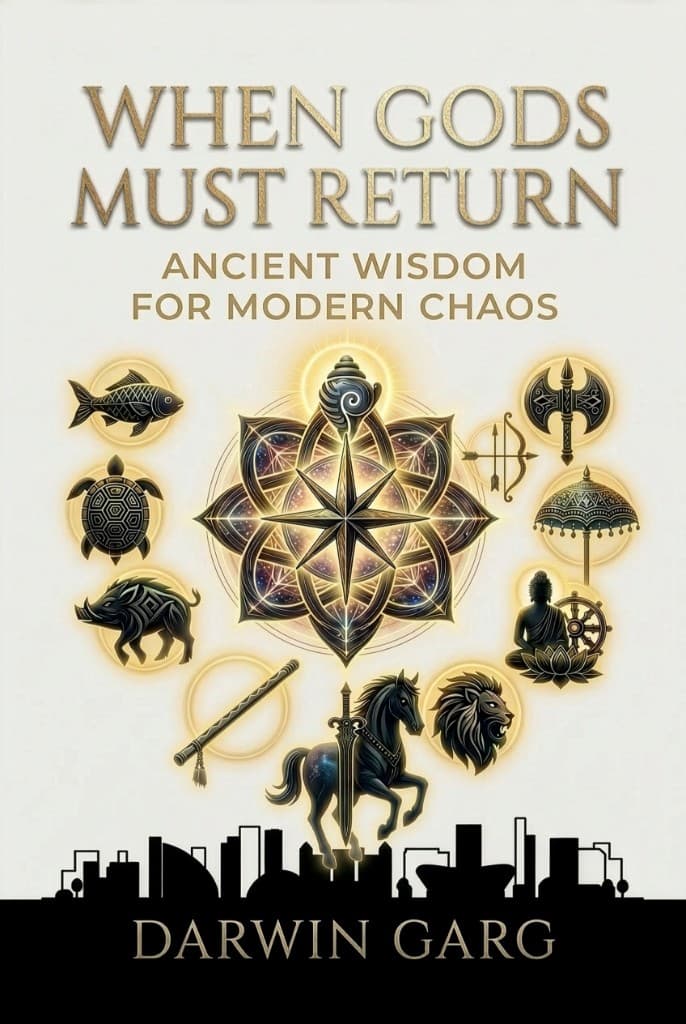
When Gods Must Return
Ancient Wisdom for Modern Chaos
Ten avatars of Vishnu. Ten great crises of the modern world. One book that maps them onto each other, not as ten separate lessons but as one system of wisdom our age needs whole.
The Premise
What this book is about
We live in an age of converging crises: climate, artificial intelligence, inequality, loneliness, the slow loss of meaning. We have answered them with more frameworks, more podcasts, more books of advice. What we have lost is wisdom.
The Dashavatar is not ten gods. It is ten archetypes of how to meet chaos, encoded over thousands of years into stories we now treat as only stories. When Gods Must Return believes that our age does not need one of these wisdoms. It needs all ten, working together.
Who it's for
Ancient wisdom, Modern reader
You do not need a religious background or any prior knowledge of Hindu tradition. Through stories of ordinary people facing extraordinary modern dilemmas, the book shows how avatar wisdom speaks directly to where we are right now.
Especially for readers of Karen Armstrong, Joseph Campbell, and Devdutt Pattanaik, and for anyone searching for a framework that can hold more than one crisis at a time.
Structure
Ten Avatars | Ten Crises
Each avatar arrived for a world in a particular kind of trouble. Here is the trouble each one speaks to now.
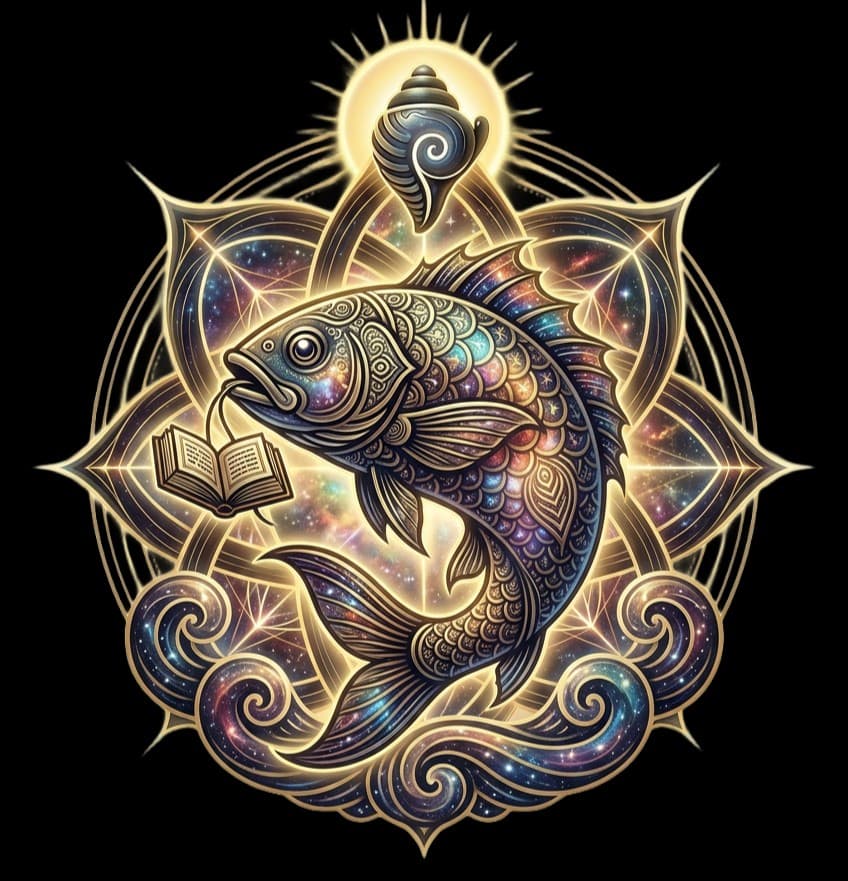
Matsya
Navigating the flood of misinformation
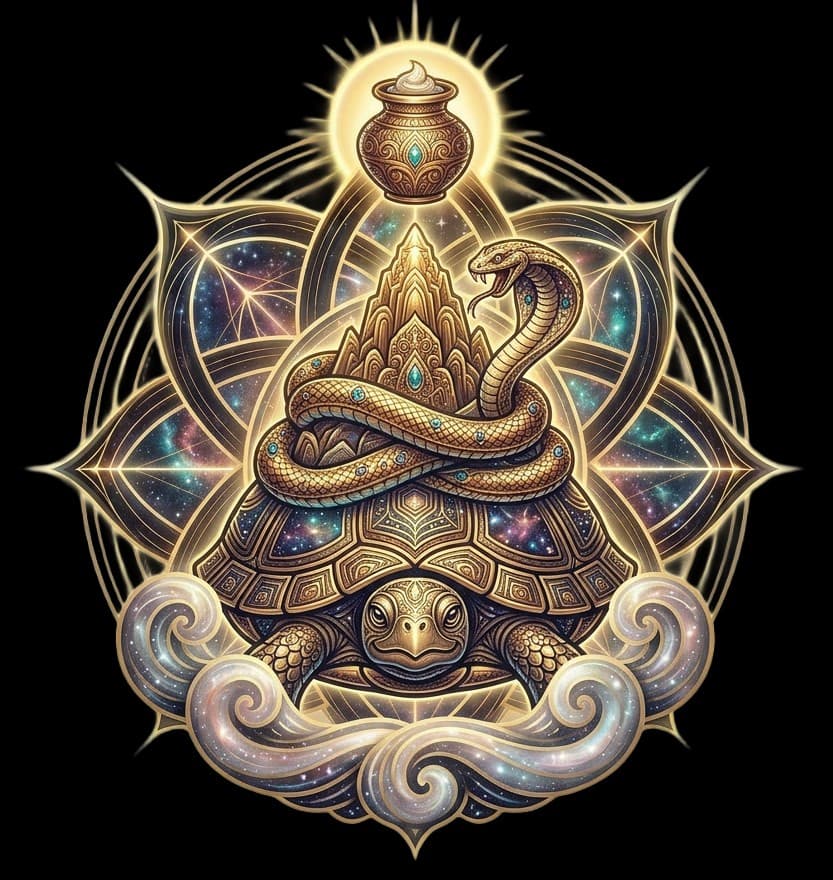
Kurma
Building stability in a mental health crisis
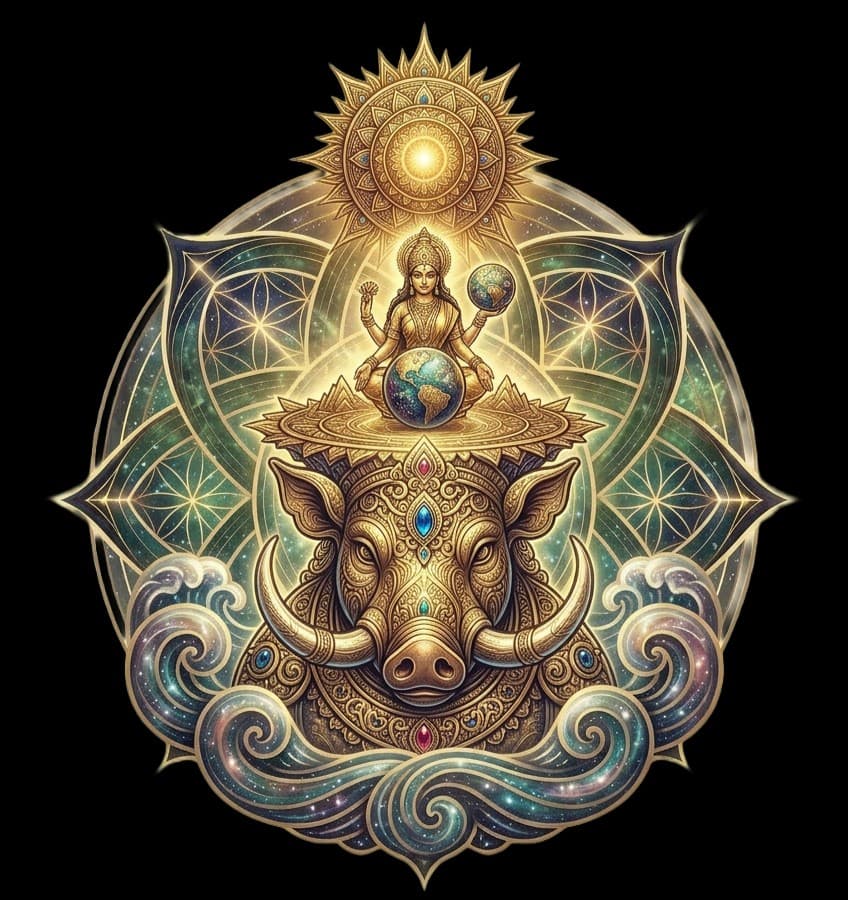
Varaha
Recovering our connection to a dying Planet
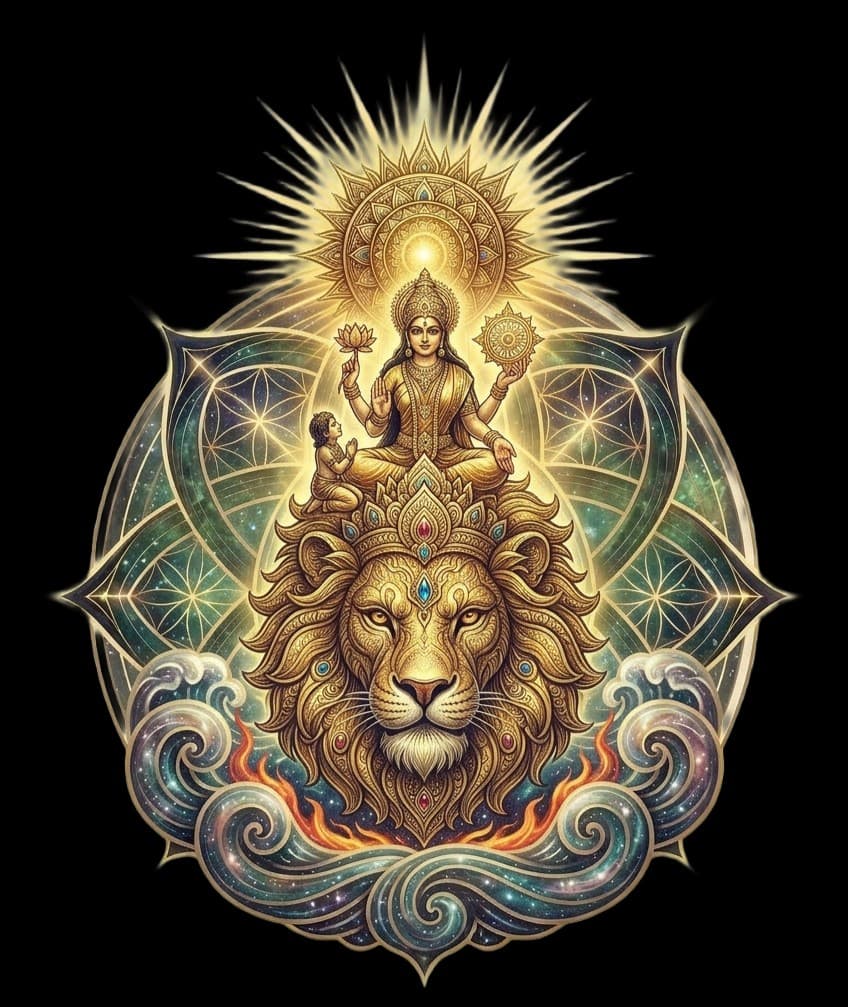
Narasimha
Confronting authoritarianism and abuse of power
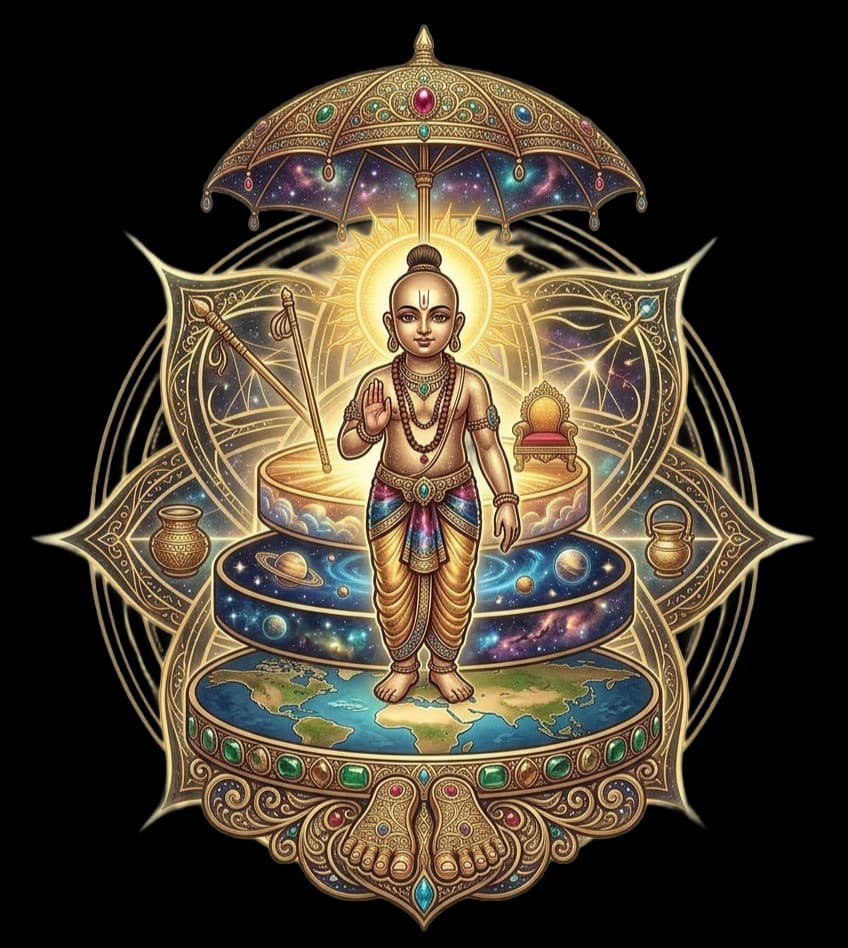
Vamana
Humbling the ego that believes it knows best
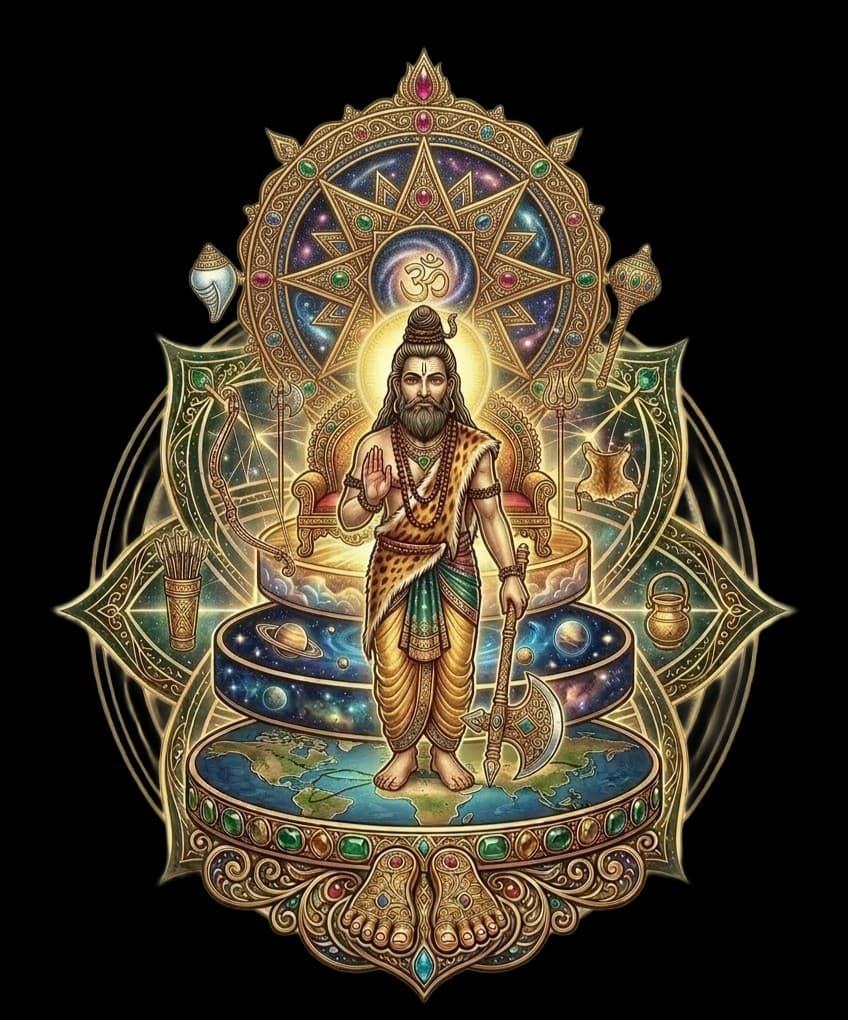
Parashurama
Dismantling deep Institutional corruption
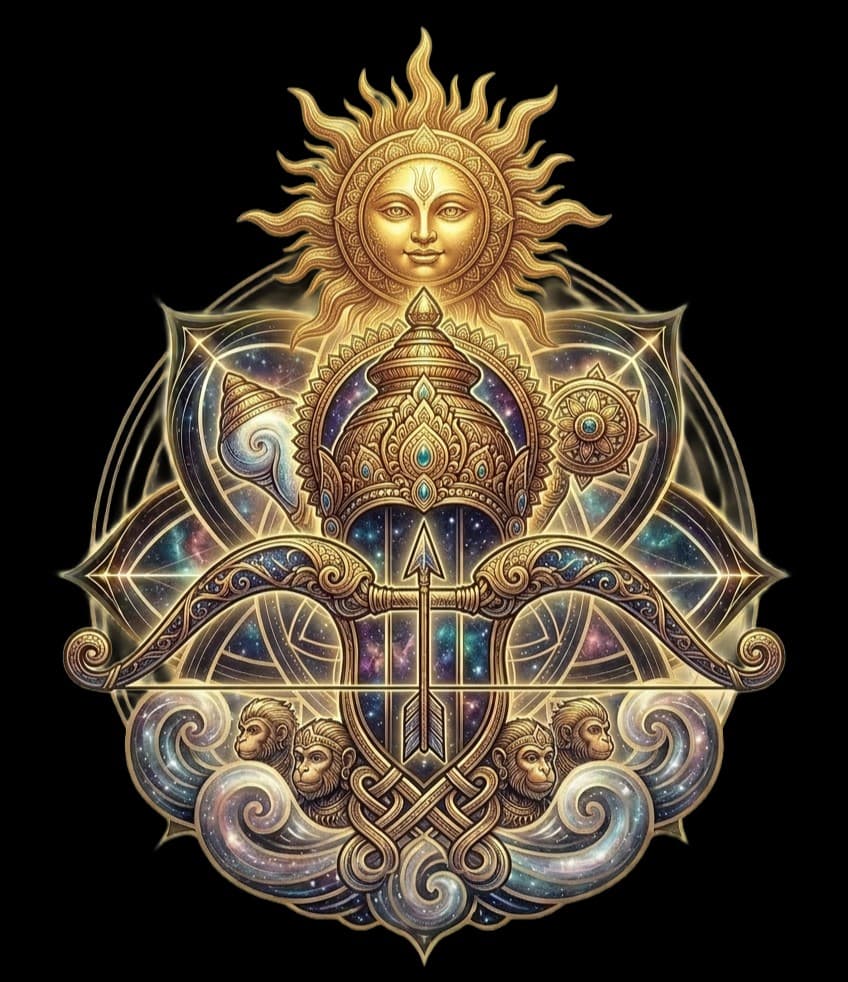
Rama
Doing what's right when it costs everything
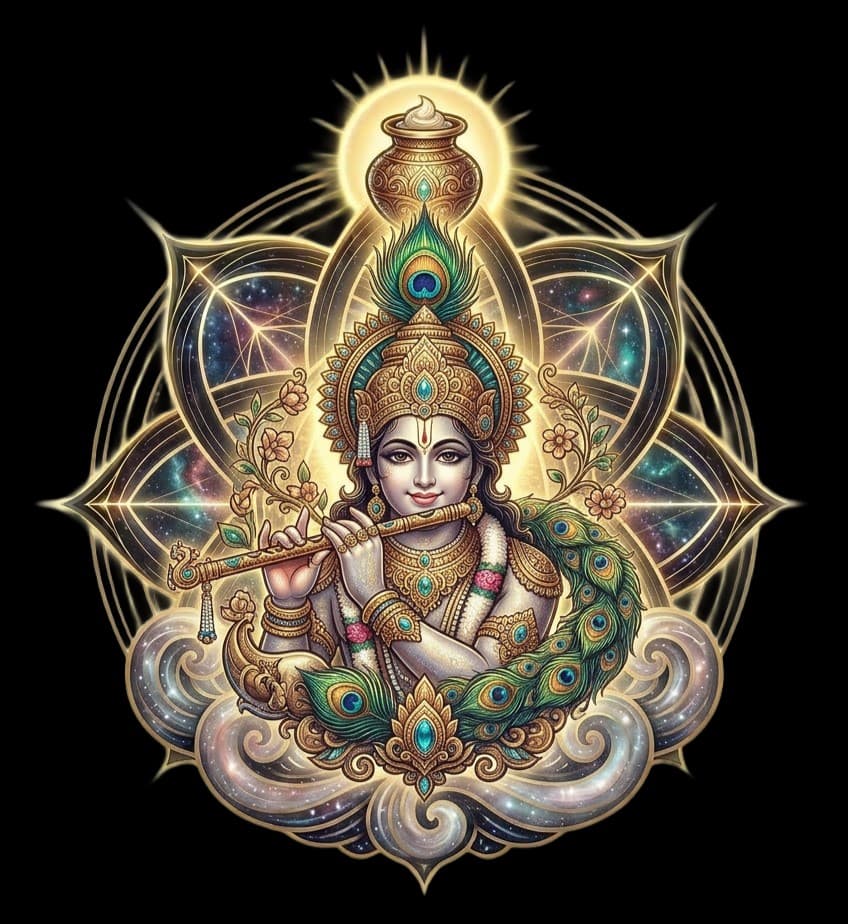
Krishna
Choosing wisely when there are no good options
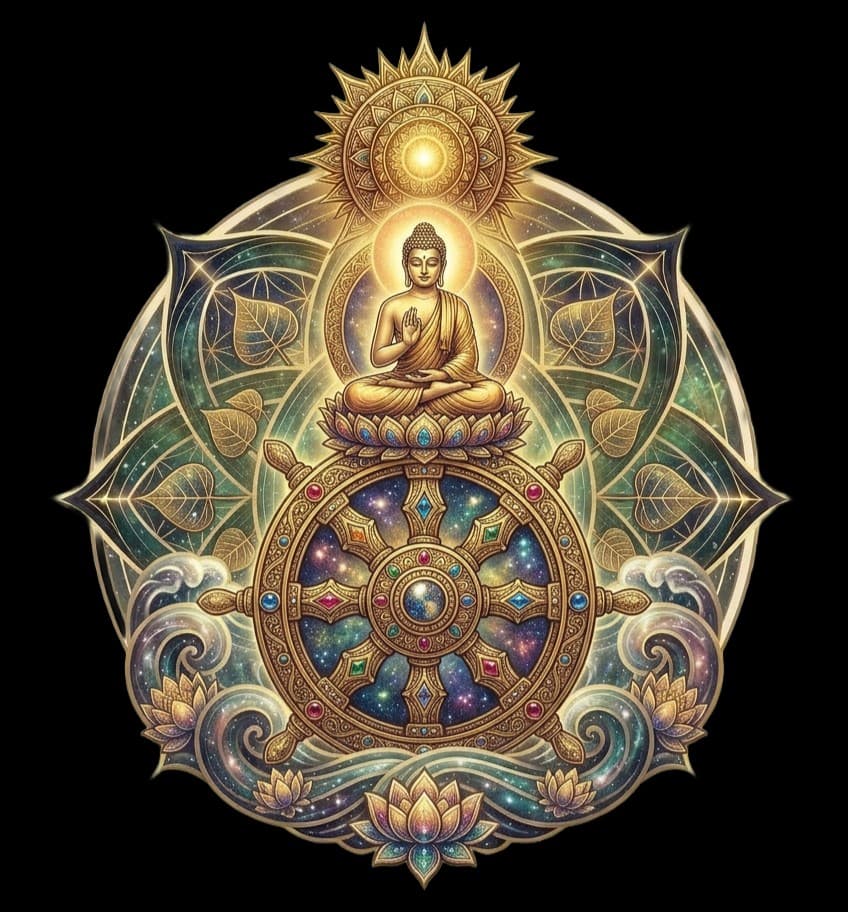
Buddha
Breaking free from addiction and endless craving
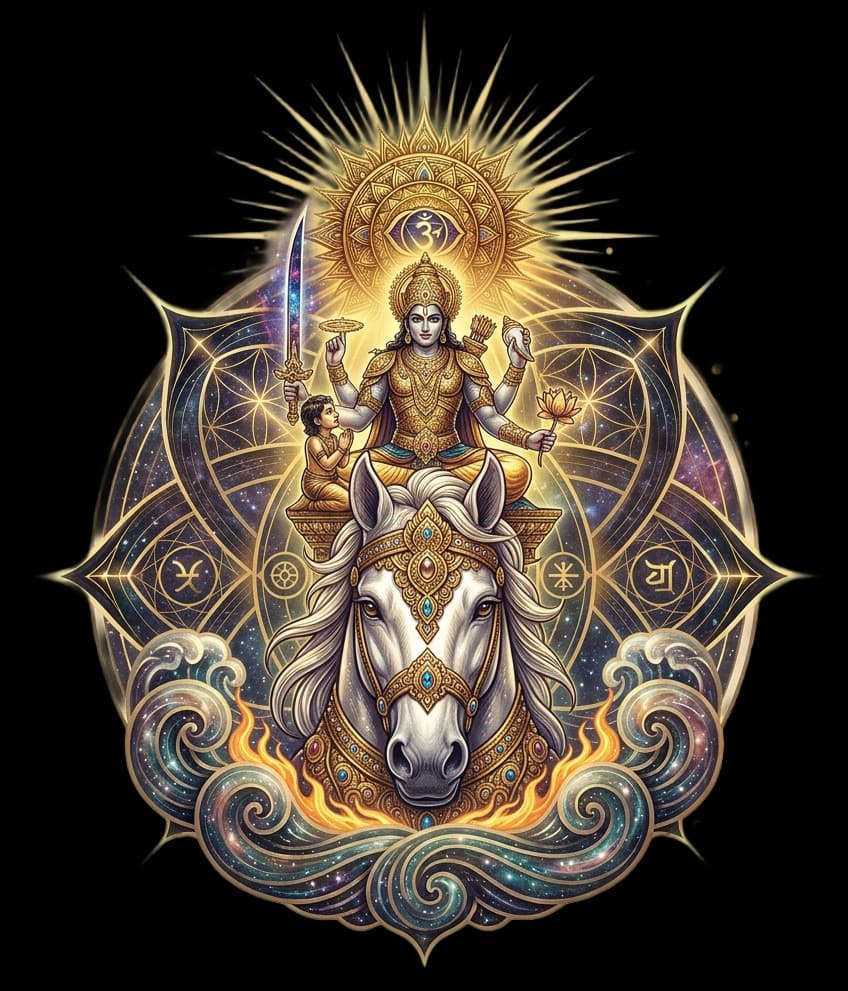
Kalki
Transforming the systems that create these crises
Inside the book
Stories from the modern World
A journalist drowning in noise learns what Matsya knew about navigation. A parent in burnout finds what Kurma understood about bearing weight without breaking. A leader facing impossible choices discovers what Krishna meant when there is no clean answer.
Ten chapters, ten people, ten pressures you will recognize. The wisdom arrives through them rather than at them.
And the book's deepest claim is not that each crisis has its own answer. It is that the crises are connected, so the wisdom we bring to them has to be connected too.
An excerpt
Read from the book
Request a longer sample →David lives in a world where nature is optional. He can go days, weeks, without touching soil, without seeing a wild animal, without hearing wind through trees. His food comes from stores, his water from taps, his air from filters. He's insulated from the natural world by layers of human-made systems.
This disconnection isn't accidental. It's the culmination of centuries of thinking that positioned humans as separate from and superior to nature. That treated the Earth as a resource to be exploited rather than a living system we're part of. That built cities and economies that divorced us from the rhythms of the natural world.
We've forgotten that we don't just live on the Earth. We are Earth. Our bodies are made of the same elements, organized by the same evolutionary processes, sustained by the same screaming into a void while the adults in charge argue about whether the void exists.
Reviews
What readers are saying
“I have never read anything uninterrupted in the past several years. In between the lines, I could sense that you are talking.”
“Absolutely fascinating how the author takes the Dashavatara and makes it directly relevant to our modern lives.”
“I realized after reading this book that I can read. I love to read. I was just being lazy.”
“The simplicity with which he has articulated deeper thoughts, allowing ideas to land naturally.”
Questions
Before you buy
Go deeper
The book doesn't end here
Book clubs, podcasts, panels, and corporate conversations welcome.
Invite Darwin to speak →